How to Measure Rifle Barrel Length (Step-by-Step Guide)
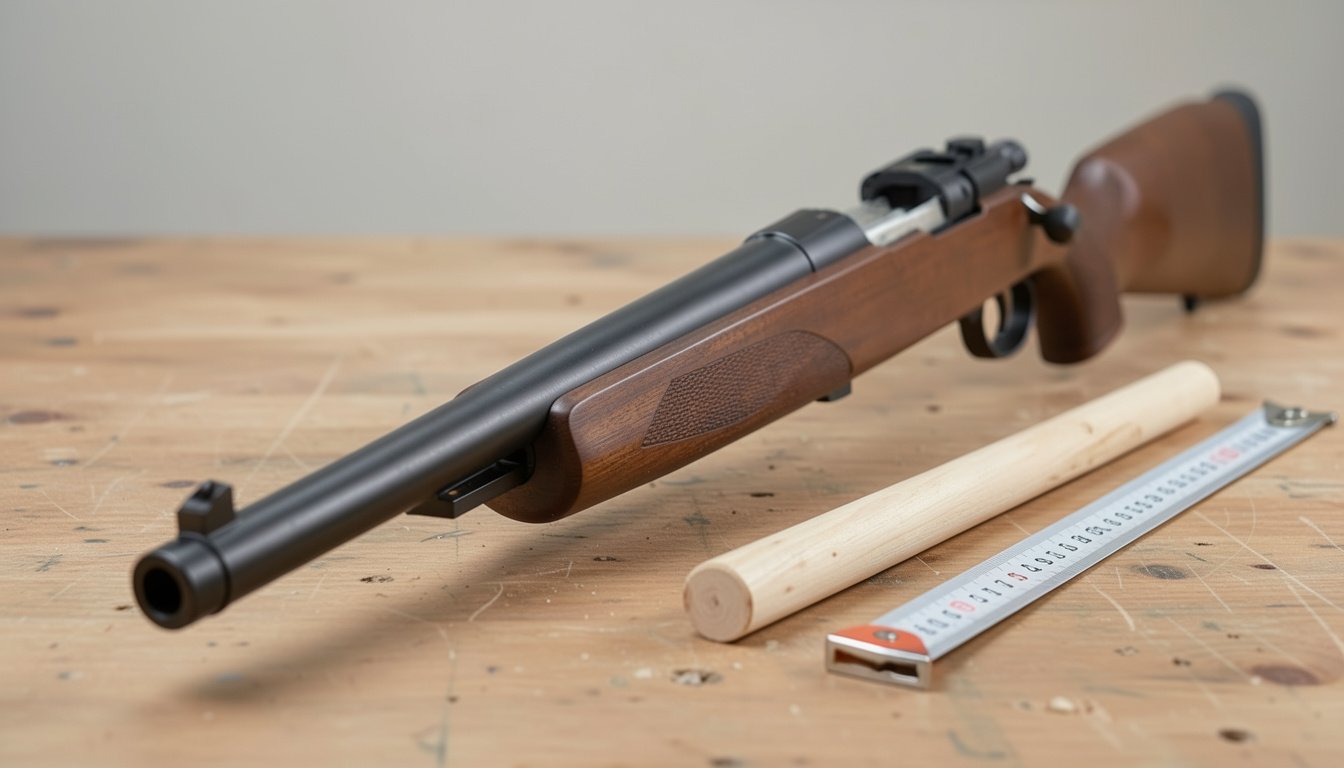
To measure rifle barrel length, slide a rod down the bore until it touches the closed bolt face. Mark the rod at the muzzle, pull it out, and measure from the tip to your mark. That number is your barrel length.
Don’t measure along the outside of the barrel. The chamber counts as part of the barrel, so the measurement starts at the breech face where the cartridge sits, not at the front of the receiver.
You need this number for spec sheets, ordering parts, comparing muzzle velocity, and checking legal minimum length rules. A wrong measurement can cause problems with all of those.
The job takes about five minutes and needs no special tools. Keep reading for the full method and the mistakes to avoid.
Key Takeaways
- Rifle barrel length is measured from the closed bolt face (breech face) to the muzzle, and the chamber is included.
- A smooth dowel or cleaning rod, a marker or tape, and a tape measure are all you need.
- Always unload the rifle and verify it is empty before you put anything in the bore.
- Removable muzzle devices are not counted, but permanently attached ones generally are.
- If a legal minimum length matters to you, confirm the rules with the ATF, your state agency, or a qualified attorney before you modify anything.
How Rifle Barrel Length Is Measured
The standard method runs from the face of the closed bolt to the end of the muzzle. This is the number manufacturers publish. It is also the method used for legal purposes in many places.
You may also hear about “effective” barrel length, which starts where the rifling begins. That figure can help you think about velocity, but it is not the standard spec. Stick with bolt face to muzzle for anything official.
Different firearms start from slightly different points. Here is a quick reference.
| Firearm type | Measure from | Measure to |
|---|---|---|
| Bolt-action or semi-auto rifle | Closed bolt face (breech face) | Muzzle end of the barrel |
| Shotgun | Closed breech face | Muzzle end of the barrel |
| Pistol | Breech face | Muzzle |
| Revolver | Face of the cylinder | Muzzle |
Barrel length also helps define categories of rifle. If you are curious how short barrels fit in, see this plain-English guide to carbine rifles.
Unload and Check the Rifle First
You are about to put a rod into the bore, so the rifle must be empty. Treat every gun as loaded until you have proved otherwise yourself.
- Point the muzzle in a safe direction and keep your finger off the trigger.
- Remove the magazine and open the action.
- Look into the chamber and magazine well. Check by sight and by touch that no cartridge is present.
- Move any ammunition into another room.
Then close the action. The bolt must be closed for the measurement, because the chamber end of the barrel is defined by where the bolt face rests. For a rifle with a removable bolt, you can also check for ammunition with the bolt out, then reinstall it.
Gather the Right Tools to Measure Barrel Length
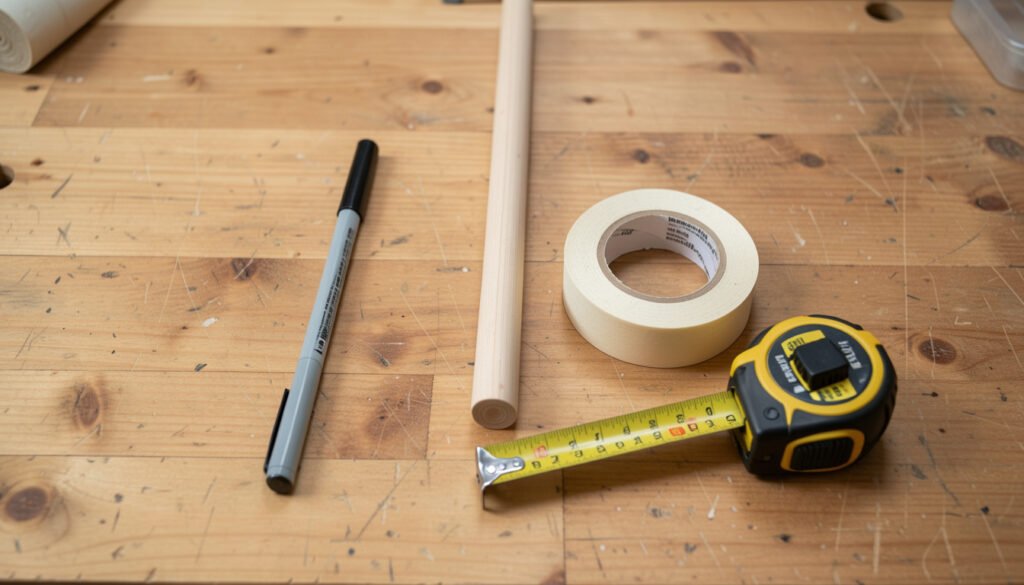
You probably own everything you need already.
- A rigid rod: a wooden dowel or a one-piece cleaning rod that is longer than the barrel.
- A marker or masking tape: to show where the muzzle sits on the rod.
- A tape measure or ruler: a rigid ruler or a steel tape works well.
Avoid string, cloth tape or anything flexible. It can bend inside the bore and give you a false reading. Also pick something that won’t scratch. A rough or splintered dowel or a rod with exposed metal can nick the rifling or the crown, and damage there can hurt accuracy.
Insert the Rod Until It Touches the Bolt Face
Feed the rod in from the muzzle end. Push it gently until it stops against the closed bolt face. Don’t force it.
The rod should travel the full length of the bore. Stopping early gives you a number that is too short. If your rifle has a muzzle brake or suppressor that you can remove, take it off first, then insert the rod. Keep the rod straight and centered so it doesn’t scrape the crown.
Pro tip: Hold the rod against the bolt face with light pressure and mark it at the muzzle with a piece of masking tape, which is easier to slide and read than a pen line.
Mark the Rod and Measure Rifle Barrel Length
With the rod still seated against the bolt face, mark it exactly even with the end of the muzzle. Use the crown of the barrel as your reference point.
Now pull the rod out carefully so the mark doesn’t shift. Lay it flat and measure from the end that touched the bolt face to your mark. That is your barrel length.
Check and Record Your Number
- Repeat the measurement a second time to confirm it.
- Write the result down to the nearest 1/16 inch, or in millimeters if you prefer.
- Note the date and any muzzle device on the rifle at the time.
It is worth re-measuring after you fit a new barrel, have the muzzle re-crowned, or change a permanent muzzle device.
Account for Muzzle Devices and Special Cases
Muzzle attachments are where most confusion comes from. The general rule is simple.
- Removable devices (threaded flash hiders, muzzle brakes, compensators): remove them and measure to the actual front of the barrel.
- Permanently attached devices (pinned, welded or otherwise fixed): these are generally counted in the length. Mark the rod at the forward end of the device.
- Integral designs: if the barrel and muzzle device are one piece, the full length counts.
“Permanent” has a specific meaning in the rules, and a poorly done attachment may not qualify. Don’t assume. If you are unsure whether your setup counts, ask the ATF, a knowledgeable local dealer, or a qualified attorney.
Semi-Automatic and Lever-Action Rifles
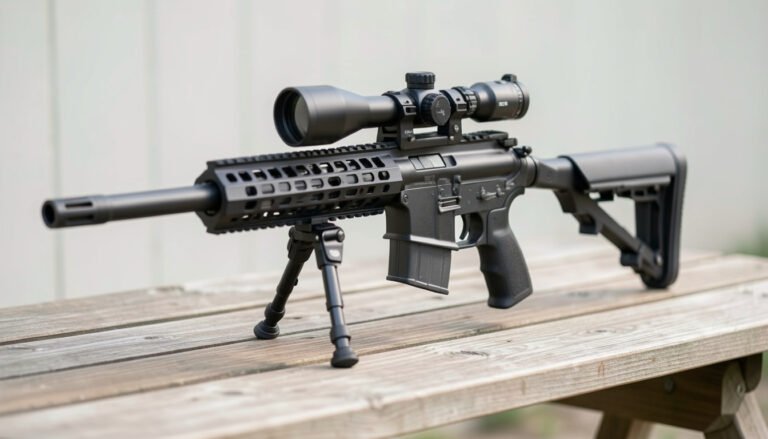
The method is the same. Make sure the bolt or action is fully closed so the rod stops at the true breech face. On some designs, such as an AR-15, you may need to confirm that the bolt is forward and the chamber is empty before you insert the rod.
Rimfires and Other Calibers
Caliber doesn’t change the method. A rimfire barrel is measured the same way. Just use a rod thin enough to move freely in the smaller bore. If you want background on those rifles, read about what a rimfire rifle is.
Avoid Common Barrel Measuring Mistakes
Most bad measurements come from a handful of errors.
- Measuring from the receiver face instead of the bolt face. This leaves out the chamber and gives a short number.
- Using a flexible tool. Cloth tape or cord can curve in the bore.
- Letting the rod stop short. Confirm it is seated against the bolt face.
- Including a removable muzzle device. This makes the barrel look longer than it is.
- Measuring with the bolt open. The rod then travels past the real breech face.
Why Accuracy Matters
Barrel length affects handling, weight and velocity. It can also affect legal status. In the United States, federal law sets a minimum barrel length for rifles, and rules differ elsewhere. If you are close to a limit, measure more than once, and never try to “cut it close.” State and local laws may also apply and change over time, so check with official sources or an attorney before you cut, swap or shorten a barrel. Any barrel work beyond basic measuring is a job for a qualified gunsmith.
Once your rifle is set up the way you like it, you may want to re-check your zero. These guides on sighting in a rifle can help.
Frequently Asked Questions
Does the chamber count as part of rifle barrel length?
Yes. The chamber is part of the barrel, so you measure from the closed bolt face, which sits at the rear of the chamber. This is the standard way rifle barrels are specified.
Can I measure a barrel with a tape measure alone?
Not accurately. A tape laid along the outside misses the chamber depth and any part hidden inside the receiver. Use a rigid rod in the bore, then measure the rod.
Is a muzzle brake included in barrel length?
It depends on how it is attached. Removable brakes and flash hiders are left out, while permanently attached ones are generally counted. If a legal limit is involved, confirm with the ATF or an attorney.
What is the difference between barrel length and overall length?
Barrel length runs from the bolt face to the muzzle. Overall length is the total length of the whole rifle. Both figures can matter for legal and storage reasons, and they are measured differently.
Conclusion
Measuring rifle barrel length comes down to one idea: bolt face to muzzle. Unload and verify the rifle, close the action, slide a rigid rod to the breech face, mark it at the muzzle, and measure the rod.
Handle muzzle devices carefully, avoid the common mistakes, and record the result so you have it for later. Check the rules where you live whenever the number could affect legality, and leave any barrel modification to a qualified gunsmith.
Take five minutes, get it right once, and you will have a number you can trust.