What Is a Rimfire Rifle? Types, Uses and Calibers Explained
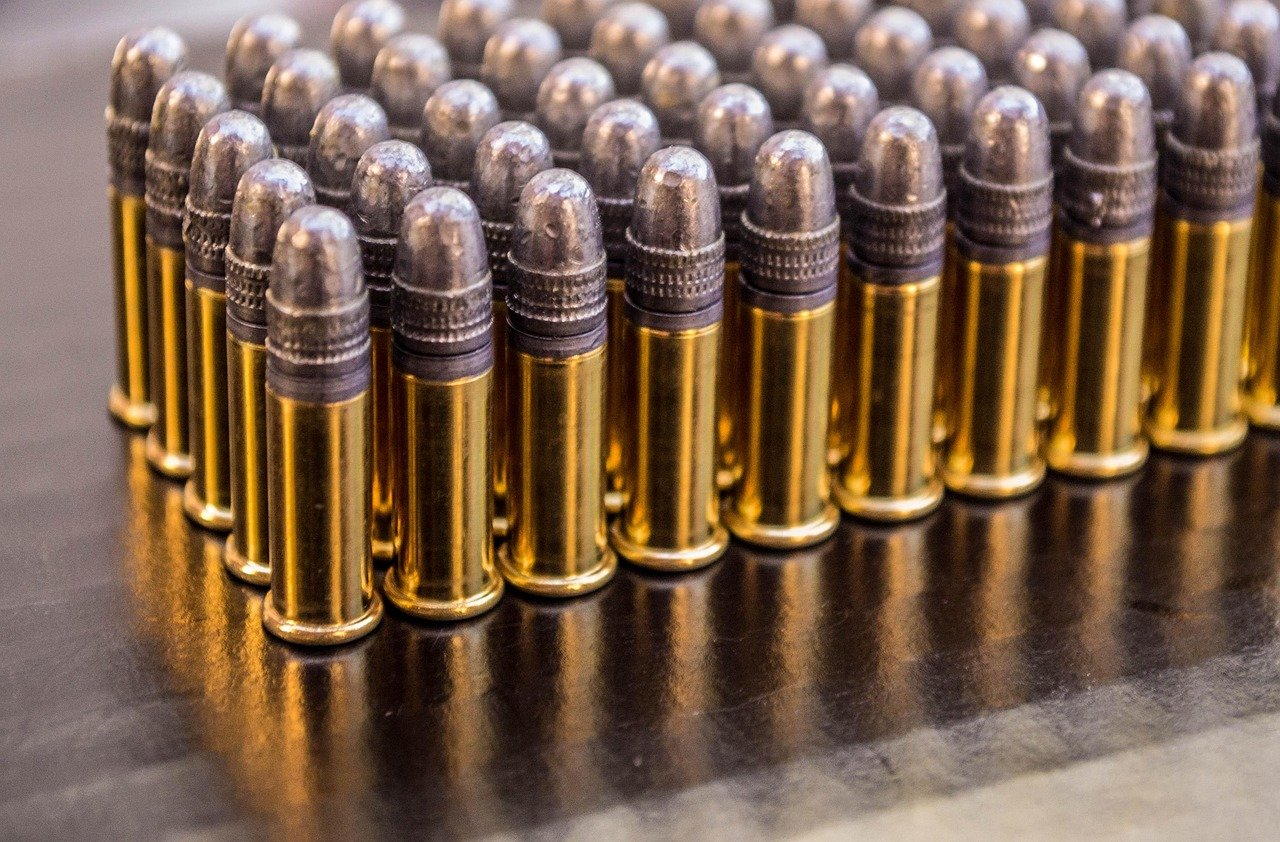
A rimfire rifle is a rifle designed to fire rimfire cartridges. In those cartridges, the firing pin strikes the rim at the base of the case, not a primer in the center.
The most common rimfire round by far is the .22 Long Rifle (.22 LR). It is small, mild, and cheap to shoot, which is why rimfire rifles are a favorite for new shooters, plinkers, and small game hunters.
The term describes the ammunition, not the rifle’s look. A rimfire can be a bolt-action, a semi-automatic, a lever-action, or a single-shot. What makes it a rimfire is how the cartridge is ignited.
Below, you will learn how rimfire ammo works, the calibers you will see at the gun counter, and how to choose one. Keep reading for the details.
Key Takeaways
- A rimfire rifle fires cartridges where the priming compound sits inside the hollow rim of the case, and the firing pin hits that rim.
- The .22 LR is the standard rimfire round and is known for low recoil, low noise, and affordable ammo.
- Rimfire cartridges cannot be reloaded, and they are generally limited to smaller, lower-power loads than centerfire.
- Rimfire rifles suit target practice, training, plinking, pest control, and small game hunting.
- Rimfire rounds are still real firearms ammunition. Follow every safety rule and check your state and local laws.
How a Rimfire Rifle Works
Every cartridge needs a spark to light the powder. In a centerfire cartridge, a separate primer sits in the middle of the case head. In a rimfire, there is no separate primer. The priming compound is spread inside the rim around the base of the case.
When you pull the trigger, the hammer or striker drives the firing pin into the rim. That crushes the priming compound against the edge of the chamber. The compound ignites, lights the powder, and sends the bullet down the barrel.
Why the Case Is Thin
The firing pin has to dent the rim to set off the primer. So the brass must be thin and soft enough to deform. That design limits how much pressure the case can safely hold, which is why rimfire cartridges are usually smaller and less powerful than centerfire rounds.
Why You Cannot Reload Rimfire Ammo
The primer is built into the rim and is crushed when fired. You cannot swap it out like a centerfire primer. Once you shoot a rimfire case, it is done.
Common Rimfire Rifle Calibers
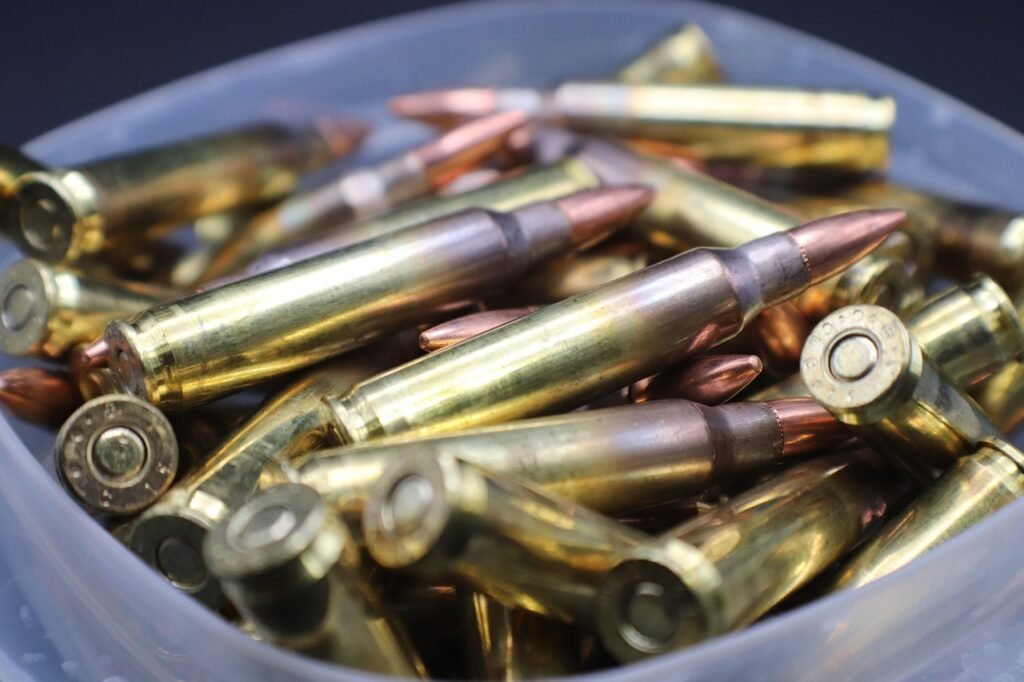
You will see a handful of rimfire calibers when you shop. The .22 LR dominates, but the others fill useful roles.
- .22 Short and .22 Long: Older, mostly historic loads. Many rifles are marked for them, but you will see them far less often.
- .22 Long Rifle (.22 LR): The standard. It was introduced in 1887 and remains one of the most popular cartridges in the world. Most rimfire rifles, and many rimfire handguns, are chambered for it.
- .22 Winchester Magnum Rimfire (.22 WMR): Introduced around 1959. It is a higher-pressure round with more power and range, aimed at varmints and small game.
- .17 Hornady Magnum Rimfire (.17 HMR): A small, fast bullet with a flat trajectory. It is popular for longer shots on small varmints.
- .17 HM2: A smaller cousin of the .17 HMR. It costs more than .22 LR but is still cheaper than most centerfire ammo.
Rimfire cartridges that were larger than .22 caliber once existed, including big rounds used in Civil War-era rifles. Centerfire designs quickly replaced them.
Pro tip: Always match the ammo to the marking stamped on your barrel, because a rimfire chamber is built for specific cartridges only.
Rimfire vs. Centerfire Rifles
People often ask which is better. Neither is better in every case. They solve different problems. This quick table shows the main differences.
| Feature | Rimfire | Centerfire |
|---|---|---|
| Primer location | Inside the case rim | Separate primer in the center |
| Typical power | Low to moderate | Low to very high |
| Recoil | Very light | Light to heavy |
| Ammo cost | Generally lower | Generally higher |
| Reloadable | No | Yes |
| Dud rate | Somewhat higher | Lower |
| Best for | Training, plinking, small game | Big game, long range, defense |
Because rimfire ammo is generally lower priced, you can practice more for the same money. That is a big reason many shooters keep a rimfire even after they own larger rifles.
What a Rimfire Rifle Is Used For
Rimfire rifles are versatile, even though they are small in power. Here are the main jobs they do well.
- Learning to shoot: Light recoil and mild noise help new shooters focus on fundamentals like sight alignment, trigger control, and breathing.
- Target practice and plinking: You can shoot a lot of rounds in an afternoon without much expense.
- Small game hunting: Rabbits and squirrels are classic .22 LR game. Magnum rimfires stretch the range a little farther.
- Pest control: Farm and ranch owners often use rimfires on small pests, where it is lawful and safe to do so.
- Competition: Many shooting sports use rimfire rifles, from youth programs to smallbore target events.
- Trainers for other guns: Many rimfire rifles share a layout with larger rifles, so they make cheap practice tools.
If you plan to hunt, check the Oklahoma Department of Wildlife Conservation for seasons, licenses, and legal calibers before you head out.
Choosing the Right Type of Rimfire Rifle

Once you know what a rimfire rifle is, the next question is which action to pick. Each type has a different feel and purpose.
Bolt-Action
Bolt-actions are simple and tend to be accurate. You cycle each round by hand, which slows you down and teaches good habits. They are a common choice for a first rifle and for young shooters.
Semi-Automatic
Semi-autos fire one round per trigger pull and load the next round automatically. They are fun at the range and popular for plinking. They usually have detachable magazines and more moving parts to keep clean.
Lever-Action and Single-Shot
Lever-actions offer classic styling and quick follow-up shots. Single-shots are simple, light, and often used as youth rifles. Both are good options if you value tradition or simplicity.
What to Look For
- Fit: Make sure the length of pull feels right. Youth and compact models are available.
- Sights or optics: Decide whether you want iron sights or a scope mounting option.
- Barrel and accuracy: A heavier barrel helps for benchrest shooting. A lighter barrel suits carrying in the field.
- Magazine type: Think about whether you want a tube, a detachable box, or a single-shot setup.
- Ammo preference: Different rifles can prefer different brands, so test a few types.
Safety and Care for Your Rimfire Rifle
A rimfire is not a toy. A .22 bullet can travel a long way and can seriously injure or kill. Follow the core rules every time.
- Treat every gun as if it is loaded.
- Keep the muzzle pointed in a safe direction.
- Keep your finger off the trigger until your sights are on target and you are ready to shoot.
- Know your target, what is behind it, and what is around it.
- Wear eye and ear protection at the range.
Before cleaning, unload the rifle, lock the action open, and visually check the chamber and magazine. Wipe the bore and action lightly. Rimfire rifles often shoot dirtier than centerfires because of the lubricant on the bullets, so periodic cleaning helps reliability.
Store the rifle unloaded and locked, away from children and unauthorized users. For anything beyond basic cleaning, such as trigger work or repairs, take it to a qualified gunsmith.
Legal Basics
Rimfire rifles are firearms and follow firearm laws. Under federal law, a licensed dealer must run a background check, and there are age minimums for buying long guns. Oklahoma and local rules can add details about carrying, transport, and where you can shoot. Confirm the current rules with the ATF, the state, or a qualified attorney.
Frequently Asked Questions
Is a.22 a rimfire rifle?
Most .22 rifles are rimfires, especially those chambered in .22 LR, .22 Short, or .22 WMR. However, not every .22-caliber rifle is a rimfire. Some, like the .223 Remington or .22 Hornet, are centerfire, so check the cartridge marking on the barrel.
Are rimfire rifles good for beginners?
Yes. Rimfire rifles have light recoil and relatively low noise, and the ammo is generally affordable. That lets new shooters build skills without fear of heavy kick or high costs per range trip.
Can you reload rimfire ammo?
No, not in practice. The priming compound is inside the rim and is crushed when the round fires. That means a spent case cannot be fitted with a new primer like a centerfire case.
What is the difference between.22 LR and.22 WMR?
The .22 WMR is a longer, higher-pressure cartridge with more power and a flatter path than the .22 LR. The two are not interchangeable. A rifle chambered for .22 WMR will not accept .22 LR as a safe substitute unless the maker designs it that way, so always follow the barrel marking.
Conclusion
A rimfire rifle is simply a rifle built for cartridges that ignite at the rim. The .22 LR leads the pack, with .22 WMR and .17 HMR covering heavier small game and varmint work. Light recoil, lower ammo cost, and plenty of action styles make rimfires an easy way into shooting.
Think about how you will use yours first. A bolt-action suits careful learning, a semi-auto suits fun at the range, and a lever-action suits a classic feel. Whatever you pick, practice the four safety rules every time you handle it.
If you have questions about rimfire rifles, you are welcome to stop by Sooner Guns at 5663 S Mingo Rd in Tulsa or call us at 918-286-8888. Guns for the good guys and gals.
One Comment