What Is a Carbine Rifle? A Plain-English Guide
A carbine rifle is a shoulder-fired rifle with a shorter barrel and a more compact frame than a full-size rifle. It’s built to be lighter, quicker to handle, and easier to move around with.
Most carbines use a barrel somewhere around 16 to 18 inches, though some are shorter. The word describes a style of rifle, not a strict legal or technical category. That’s why you’ll see it attached to everything from AR-15 carbines to old lever-action guns.
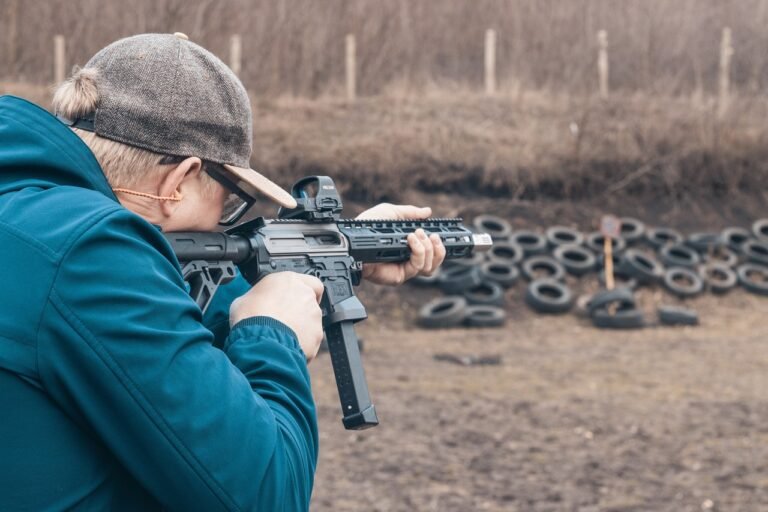
Carbines work well in tight spaces, inside vehicles, and in thick woods. They also suit smaller-framed shooters and anyone who wants a handy rifle for home defense, range days, or ranch use.
Below, you’ll learn how carbines differ from standard rifles, which types are out there, and what to check before you buy. Keep reading to see which style might fit you.
Key Takeaways
- A carbine is a shorter, lighter rifle, usually with a barrel around 16 to 18 inches. The word describes a design style, not a legal category.
- Carbines trade a little velocity and long-range performance for better handling and portability.
- Common types include AR-style carbines, pistol-caliber carbines, lever-action carbines, and bolt-action carbines.
- Federal law sets minimum rifle dimensions, so a barrel under 16 inches or an overall length under 26 inches can make a rifle a regulated short-barreled rifle.
- The best carbine depends on how you plan to use it, so match the caliber, size, and action to your needs.
What Does “Carbine” Actually Mean?
The term comes from the French word carabine. Cavalry soldiers carried short, light long guns because full-length muskets and rifles were awkward on horseback. The idea stuck: a carbine is a compact version of a longer rifle.
Today there’s no single official definition that every manufacturer follows. In practice, a carbine usually has these traits:
- A shorter barrel than the full-size version of the same rifle
- A shorter overall length and lower weight
- A design meant for fast handling at short to medium range
Many rifle families come in both versions. An AR-15 with a 20-inch barrel is usually called a rifle. The same platform with a 16-inch barrel and a collapsible stock is usually called a carbine.
Carbine vs. Rifle: What Are the Differences?
The main differences come down to size and handling. A carbine isn’t a different kind of firearm. It’s a rifle that has been trimmed down.
| Feature | Carbine | Full-Size Rifle |
|---|---|---|
| Typical barrel length | Often 16 to 18 inches (some shorter) | Often 20 inches or longer |
| Overall length | Shorter and easier to maneuver | Longer and less nimble indoors |
| Weight | Generally lighter | Generally heavier |
| Muzzle velocity | Usually a bit lower | Usually a bit higher |
| Best range | Short to medium distances | Medium to long distances |
| Stock | Often adjustable or collapsible | Often fixed |
Barrel Length and Velocity
A longer barrel gives the powder more time to push the bullet, which usually means more velocity. A shorter barrel gives up some of that speed. For most carbine uses, such as ranges inside a couple hundred yards, the difference is small.
Handling and Portability
This is where a carbine shines. It’s easier to swing around corners, get in and out of a truck, and carry on a long walk. A shorter gun also tends to feel better to smaller shooters.
Common Types of Carbines
You’ll find carbines in several actions and calibers. Each fits a different job.
AR-Style Carbines
This is the type most people picture today. The AR-15 carbine is often chambered in 5.56 NATO or .223 Remington, and many models use a 16-inch barrel. The military M4 is a well-known carbine from the same family of designs. AR carbines are popular because they’re modular, with plenty of stocks, handguards, and optics to choose from.
Pistol-Caliber Carbines
A pistol-caliber carbine fires handgun cartridges such as 9mm Luger. Shooters like them because recoil is mild and ammo is common. Some models even accept the same magazines as a matching handgun. They’re a good fit for new shooters and indoor ranges.
Lever-Action Carbines
Lever guns have been called carbines for well over a century. Classic examples include the Winchester Model 1894 in .30-30 Winchester. They’re light, quick to carry, and a longtime favorite for deer hunting in brush and woods.
Bolt-Action and Other Carbines
Some bolt-action rifles are sold in short “carbine” or “scout” configurations. The historic M1 Carbine from the World War II era is another well-known example. It used a lighter cartridge than most full-size military rifles of its time.
What Are Carbine Rifles Used For?
Carbines are flexible. Most owners pick one for one or two main jobs.
- Home defense: A compact rifle is easier to move through hallways and doorways than a long one. Think carefully about ammunition choice and what’s behind your target, since some rifle rounds can pass through walls.
- Hunting: Lever-action and bolt-action carbines are popular for deer and hogs at moderate range. Always check that your caliber is legal and appropriate for the game and the season.
- Target shooting and training: Carbines are easy to shoot and easy to customize. Pistol-caliber models are especially inexpensive to feed.
- Ranch and property use: A short rifle fits behind a truck seat and can handle predators or pests at modest distances.
- Competition: Many shooting sports use carbines, including pistol-caliber carbine matches and 3-gun events.
No matter the use, follow the basic safety rules every time. Treat every gun as loaded. Keep the muzzle pointed in a safe direction. Keep your finger off the trigger until you’re ready to fire. Be sure of your target and what’s beyond it.
Carbine Length and the Law
Barrel length matters under federal law. Under the National Firearms Act (NFA), a rifle with a barrel shorter than 16 inches, or an overall length shorter than 26 inches, is classed as a short-barreled rifle (SBR). SBRs must be registered with the ATF, and you need approval before you build or buy one.
That means a “carbine” isn’t automatically regulated. A 16-inch rifle that meets the minimum lengths is a normal rifle in federal terms. A shorter one is a different matter.
Pro tip: Before you buy or change a barrel, stock, or other part, confirm the finished firearm’s barrel and overall length still meet legal minimums.
Rules also vary by state and city, and they change over time. If you live in Oklahoma or plan to travel with a carbine, check the current ATF guidance and Oklahoma statutes. A qualified attorney or local law enforcement can answer specific questions. Never cut down a barrel or build a short rifle without proper ATF approval.
How to Choose the Right Carbine
Start with the job you want the rifle to do. Then narrow down the details.
- Pick your purpose. Hunting, home defense, range fun, and competition each point toward different actions and calibers.
- Choose a caliber. Think about recoil, ammo cost, and availability. A 9mm carbine is gentle and cheap to shoot. A .30-30 or 5.56 offers more reach and power.
- Check the fit. Length of pull, weight, and balance matter. An adjustable stock helps if more than one person will shoot it.
- Consider optics and accessories. Many carbines accept red dots, scopes, lights, and slings. Plan your setup before you spend.
- Handle it in person. A rifle that looks great online can feel wrong in your hands.
Take a basic firearm safety or rifle course if you’re new. It builds good habits fast, and it makes range time more fun.
Frequently Asked Questions
Is a carbine the same as an AR-15?
No. An AR-15 is one specific rifle platform, and a carbine is a general style of short rifle. Many AR-15s are sold as carbines, but lever-action, bolt-action, and pistol-caliber rifles can be carbines too.
What is the difference between a carbine and a rifle?
A carbine is shorter and lighter, with a shorter barrel. A full-size rifle has a longer barrel, which usually gives a bit more velocity and better long-range performance. Both are rifles, and they can share the same basic design.
Is a carbine good for beginners?
Often, yes. Carbines are light and easy to handle, and pistol-caliber models have mild recoil. Beginners should still start with safety training and choose a caliber they can shoot comfortably.
How long is a carbine barrel?
Most carbines have barrels from about 16 to 18 inches. Some run shorter, but a rifle with a barrel under 16 inches, or an overall length under 26 inches, falls under federal NFA rules. Confirm the requirements with the ATF before you buy or modify one.
Conclusion
A carbine rifle is simply a shorter, lighter rifle built for easy handling. You give up a little velocity and long-range reach, and you gain portability and speed. Whether it’s an AR-style gun, a lever-action, or a pistol-caliber model, the right carbine is the one that fits your purpose and your body.
Before you buy, think about caliber, size, and how you’ll use it. Keep federal length rules in mind, check Oklahoma and local laws, and practice safe handling every time you pick the rifle up.
If you have questions or want to see how different carbines feel in your hands, stop by Sooner Guns at 5663 S Mingo Rd in Tulsa, or call us at 918-286-8888. Guns for the good guys and gals.