What Is a Short Barrel Rifle? SBR Definition and Rules
A short barrel rifle (SBR) is a rifle with a barrel shorter than 16 inches, or an overall length under 26 inches. In the United States, it is a legal category, not just a nickname for a small gun.
That category falls under the National Firearms Act (NFA). It means an SBR has been treated differently from a standard rifle for decades. A rifle that is only slightly shorter than normal can change categories, and that surprises a lot of new owners.
The details matter because the same parts can make a legal pistol, a standard rifle, or an SBR. What counts is how the firearm is configured, not just what it looks like.
This guide explains the definition, how to measure, how SBRs compare with similar guns, and what to check on the legal side. Read on to see where the lines are drawn.
Key Takeaways
- Under federal law, an SBR is a rifle with a barrel under 16 inches or an overall length under 26 inches.
- Barrel length is measured from the closed bolt or breech face to the muzzle, and overall length is measured with the stock fully extended.
- Adding a shoulder stock to a short-barreled pistol can turn it into an SBR.
- Federal NFA rules on SBRs have been shifting, and state laws differ, so always confirm current rules before you buy or build.
- SBRs are compact and easy to handle, but they have more muzzle blast and less velocity than longer-barreled rifles.
What Is a Short Barrel Rifle?
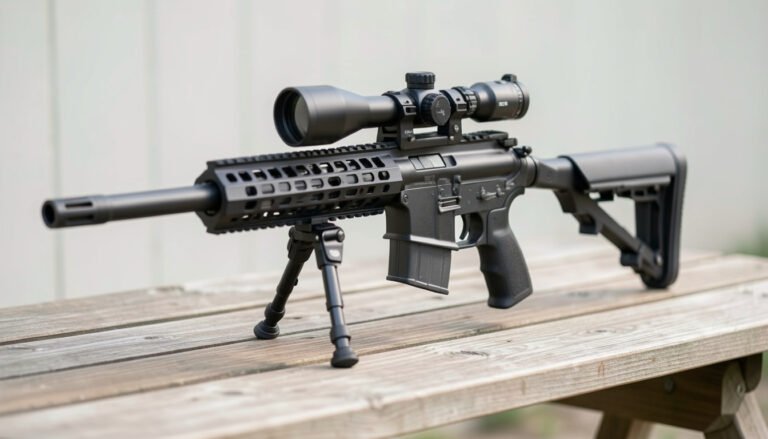
An SBR is a firearm designed to be fired from the shoulder, with a rifled barrel under 16 inches or an overall length under 26 inches. The federal definition also covers a weapon made from a rifle that ends up below those measurements after modification.
Mechanically, it works the same as any other rifle of its type. A semi-automatic SBR fires one round per trigger pull, just like a full-length version. The difference is a shorter barrel and a more compact package.
The 16-inch figure is the legal cutoff for the barrel. It is also why a standard AR-15 usually ships with a 16-inch barrel. Anything shorter, with a stock, enters NFA territory.
How an SBR Gets Created
Most SBRs come about in one of three ways:
- A manufacturer builds a rifle with a barrel under 16 inches and a stock.
- An owner replaces a longer barrel with a shorter one on a rifle.
- A shoulder stock is added to a pistol with a barrel under 16 inches, which makes it a rifle in the eyes of the law.
Doing any of these without following the legal process can be a federal offense. Do not start a build until you have confirmed the rules that apply to you.
How to Measure a Short Barrel Rifle

Two measurements decide whether a rifle counts as an SBR. You should check both. Make sure the firearm is unloaded and verified clear before you put a tape measure on it.
| Measurement | How to Take It | Federal Threshold |
|---|---|---|
| Barrel length | From the closed bolt face (breech) to the muzzle, along the bore | Under 16 inches |
| Overall length | From the rear of the stock to the muzzle, with a folding or telescoping stock fully extended | Under 26 inches |
Muzzle Devices and Barrel Length
A removable muzzle device, such as a standard flash hider, does not count toward barrel length. A device that is permanently attached can count. Because this is a technical area, talk to a qualified gunsmith or check ATF guidance rather than guessing.
Why Overall Length Matters
Even a rifle with a 16-inch barrel can fall under the rule if its overall length is under 26 inches. This is rare in mainstream designs, but it can happen with compact or folding configurations. Measure the finished firearm as it would be fired.
Short Barrel Rifle vs. Carbine, AR Pistol and Standard Rifle
These terms get mixed up often. A carbine is a general design term for a shorter, handier rifle. It is not automatically an SBR. If you want the full background, read our plain-English guide to what a carbine rifle is.
A common 16-inch AR-style carbine is a standard rifle. A rifle becomes an SBR only when it drops below the legal thresholds.
| Type | Typical Barrel | Has a Shoulder Stock? | Federal Category |
|---|---|---|---|
| Standard rifle | 16 inches or longer | Yes | Regular rifle |
| Carbine (16-inch) | 16 inches | Yes | Regular rifle |
| Short barrel rifle | Under 16 inches | Yes | NFA short-barreled rifle |
| AR-style pistol | Often under 16 inches | No (designed for one or two hands) | Pistol |
The Pistol and Brace Question
Many shooters ask about braced pistols. A pistol with a short barrel is a pistol only as long as it is not set up to be fired from the shoulder. Adding a true stock changes that.
Federal guidance on stabilizing braces has changed and been challenged in court over the last few years. If you own or plan to buy a braced firearm, check the current position with the ATF or an attorney who knows firearms law.
A Note on Rimfire and Other Calibers
The SBR definition applies to rifles in any caliber, including small ones. If you are new to smaller calibers, our explainer on rimfire rifles covers the basics. The same barrel and length rules still apply to them.
Short Barrel Rifle Laws: What You Need to Know
Under the National Firearms Act, SBRs have been regulated items. Traditionally that meant ATF approval before you made or took possession of one, registration, a background check and a $200 tax stamp. The ATF handles these applications, which are filed on specific forms depending on whether you are building or buying.
The rules have been moving. The federal tax on SBRs has been reported as $0 since the start of 2026. The ATF has also said it will not enforce NFA approval and registration for SBRs. That is guidance, though, and it is not a repeal of the statute. The NFA itself still defines what an SBR is, and a later administration or a court ruling could change enforcement.
State and Local Rules
State law is a separate layer. Some states allow SBRs with few extra steps. Others restrict them heavily or ban them. A federal change does not override a stricter state rule.
Before you buy, build, transport or travel with one, confirm the rules where you live and where you are going. Good sources include the ATF website, your state’s attorney general or state police, and local law enforcement. For anything complicated, talk to a qualified attorney.
Legal Checklist Before You Act
- Check the current federal status on the ATF website.
- Look up your state and local laws.
- Find out if travel with an SBR requires paperwork.
- Use a licensed dealer for purchases and transfers.
- Keep copies of any approvals or records.
Pro tip: if you are unsure whether a rifle counts as an SBR, stop and ask the ATF or a firearms attorney before you change a single part.
Pros and Cons of a Short Barrel Rifle
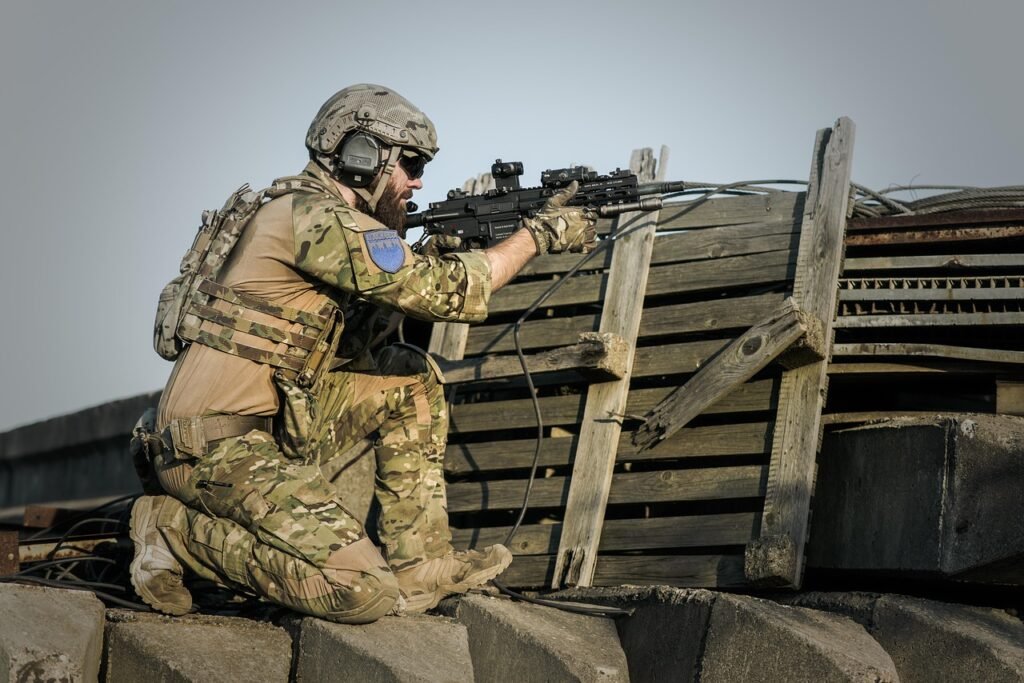
People choose SBRs for handling. They are lighter and shorter than a full-size rifle, and they keep the same controls, stock options and accessories as the longer version. That helps in vehicles, in tight spaces and on small-framed shooters.
Advantages
- Maneuverability: A shorter length is easier to move around obstacles.
- Lighter weight: Less steel on the front end reduces fatigue.
- Calibers made for short barrels: Rounds like .300 Blackout were designed with short barrels in mind, and pistol-caliber rifles also work well.
- Suppressor-friendly length: Short barrels keep a rifle manageable if a suppressor is used where legal.
Drawbacks
- Lower velocity: A shorter barrel gives the powder less time to burn, so bullets leave slower.
- More blast and flash: Shorter barrels produce more muzzle blast and noise.
- Reliability issues: Very short barrels can cause problems with some gas systems.
- Legal burden: Paperwork, travel restrictions and state laws add complexity.
Short barrels also change how you shoot. Plan to verify your zero after any barrel change. Our guide on how to sight in a rifle walks through the process.
Handle a Short Barrel Rifle Safely
An SBR is still a rifle, so the same safety rules apply. They matter even more with a compact gun, because the muzzle is closer to you and it is easier to sweep something by accident.
- Treat every firearm as if it is loaded.
- Keep the muzzle pointed in a safe direction at all times.
- Keep your finger off the trigger until your sights are on target and you are ready to fire.
- Unload and verify the chamber is empty before cleaning, measuring or maintenance.
- Be sure of your target and what is beyond it.
- Wear eye and ear protection. Short barrels are louder.
A good grip and stance help control a lightweight rifle. If you are new to shouldering one, see our steps on how to hold a rifle correctly.
Frequently Asked Questions
Is a 14.5-inch barrel an SBR?
A 14.5-inch barrel is under 16 inches, so on its own it would make a rifle an SBR. Some rifles use a permanently attached muzzle device to bring the measured length to 16 inches or more. Have a qualified gunsmith do this work, and confirm the rules first.
Is an SBR the same as a machine gun?
No. A semi-automatic SBR fires one round per trigger pull, like a standard semi-automatic rifle. Both are regulated under the NFA, but they are separate categories with different rules.
Can I own a short barrel rifle?
Often yes, but it depends on federal and state law. Some states restrict or prohibit SBRs entirely. Check with the ATF, your state agency or a qualified attorney before you buy or build.
What is the difference between an SBR and a short-barreled shotgun?
An SBR is a rifle with a rifled barrel under 16 inches, or an overall length under 26 inches. A short-barreled shotgun has a smoothbore barrel under 18 inches. Both are NFA categories with their own definitions.
Conclusion
A short barrel rifle is a shoulder-fired rifle with a barrel under 16 inches or an overall length under 26 inches. It handles like a compact carbine, but the law treats it as its own category. Measure carefully and remember that a stock can change a pistol into a rifle.
The legal picture has been changing, with a $0 federal tax reported and ATF enforcement guidance shifting. That does not remove state rules or rewrite the statute. Verify everything with official sources before you buy, build or travel.
Do that homework, follow the basic safety rules every time, and you can make an informed choice about whether an SBR fits your needs.