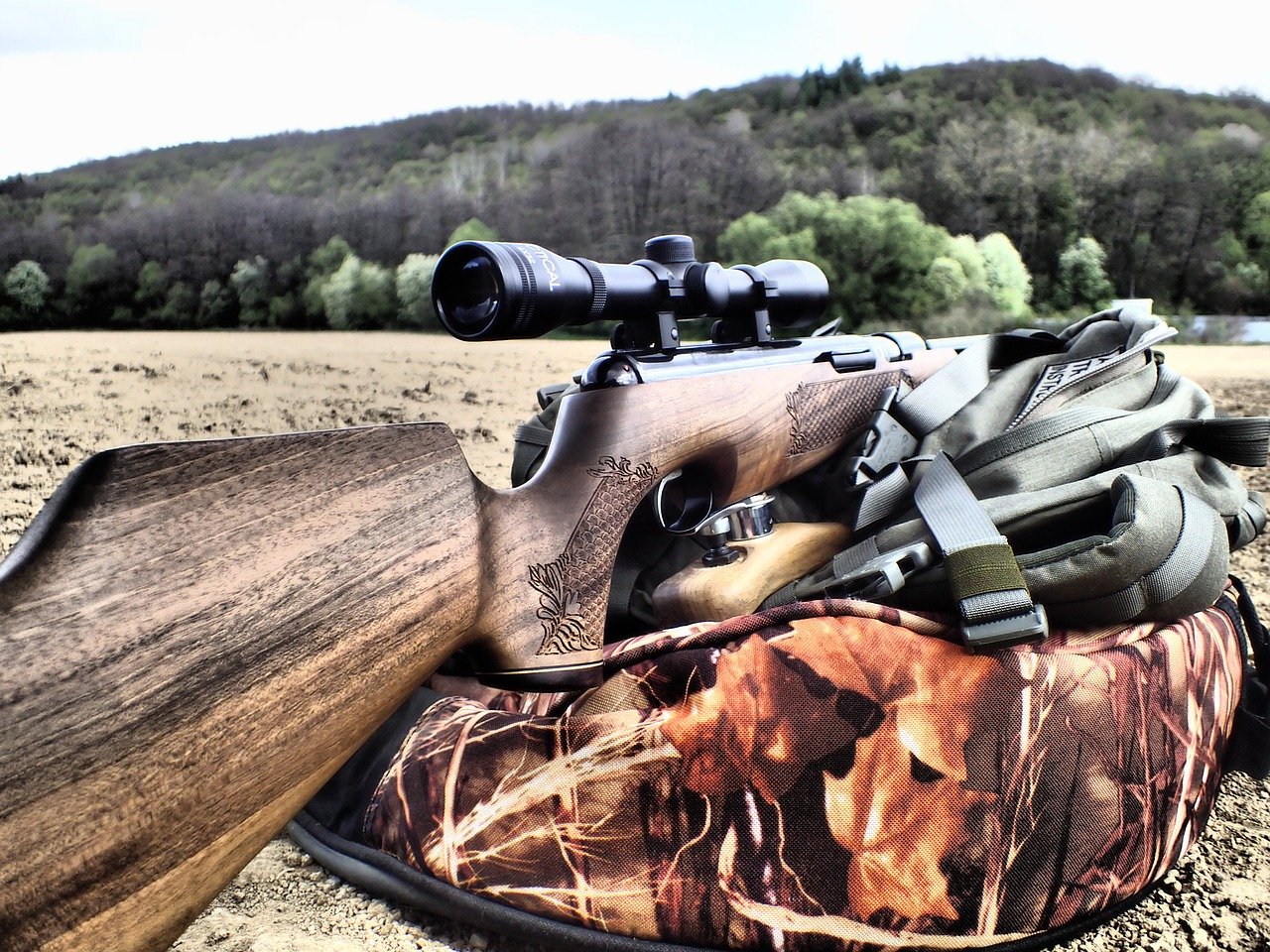
What Is a Centerfire Rifle? Types, Calibers and Uses
A centerfire rifle is a rifle that fires cartridges with the primer in the center of the case base. When the firing pin strikes that primer, it ignites the powder and sends the bullet down the barrel.
That one design detail separates centerfire rifles from rimfire rifles, where the priming compound sits inside the rim of the case. Most rifles you see in the field, at the range and in gun stores are centerfire.
The design allows higher pressures, so centerfire cartridges can push bullets faster and farther. It also makes the ammunition reloadable, because the primer is a separate part that can be replaced.
Below, you’ll learn how these rifles work, what the common calibers are, and how to choose one. Keep reading for a plain-English breakdown.
Key Takeaways
- A centerfire rifle uses cartridges with a replaceable primer in the middle of the case base.
- Centerfire cartridges handle higher pressures than rimfire, which means more power, range and versatility.
- Calibers range from mild options like .223 Remington to heavy hitters like .300 Winchester Magnum.
- Common actions include bolt, lever, semi-automatic and single-shot.
- Centerfire rifles cost more to buy and shoot than rimfires, and they recoil harder, so match the rifle to your purpose.
What Is a Centerfire Rifle and How Does It Work?
A centerfire rifle is any rifle chambered for centerfire ammunition. Each cartridge has four parts: the case, the primer, the powder and the bullet. The primer is a small metal cup holding a shock-sensitive compound. It sits in a pocket at the center of the case head.
Here is the firing sequence:
- You pull the trigger, which releases the firing pin or striker.
- The firing pin passes through a hole in the center of the bolt face and strikes the primer.
- The primer produces a hot flash that ignites the powder inside the case.
- The burning powder creates gas pressure, which pushes the bullet down the barrel.
Because the primer is a separate component, you can pop out a spent one and seat a new one. That is why most centerfire brass can be reloaded, and why many shooters enjoy handloading.
How to Tell if a Cartridge Is Centerfire
Flip the cartridge over and look at the base. If you see a round primer in the middle, it is centerfire. If the base is flat and uniform with no visible primer, it is rimfire. Fired centerfire cases show a dent in the center of the primer. Fired rimfire cases show a dent in the rim edge.
Never guess about ammunition. Always match the cartridge to the caliber stamped on your rifle’s barrel or receiver.
Centerfire vs Rimfire Rifles
The main difference is where the priming compound sits. That small change affects power, price, reliability and the jobs each rifle can do.
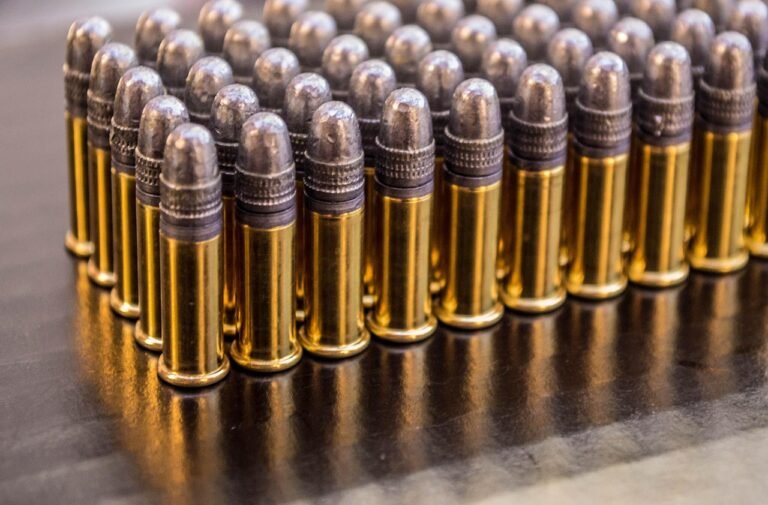
Rimfire rifles, mostly in .22 Long Rifle, are light, quiet, cheap to shoot and great for learning. If you want the full picture, read our guide on what a rimfire rifle is. Centerfire rifles take over when you need more energy, range or dependability.
| Feature | Centerfire Rifle | Rimfire Rifle |
|---|---|---|
| Primer location | Center of case base | Inside the case rim |
| Pressure and power | Higher, wide range of power | Lower, limited power |
| Reloadable | Yes, in most cases | No |
| Effective range | Short to very long | Short to moderate |
| Recoil and noise | Moderate to heavy | Light and quieter |
| Rifle and ammo cost | Higher | Lower |
| Typical use | Big game, long-range, defense, competition | Plinking, training, small game |
Types of Centerfire Rifle Actions
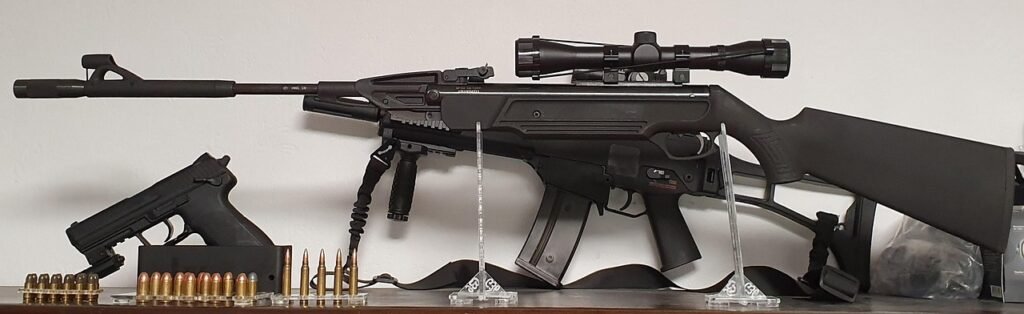
The action is the mechanism that loads, fires and ejects each round. Centerfire rifles come in several styles.
Bolt-Action
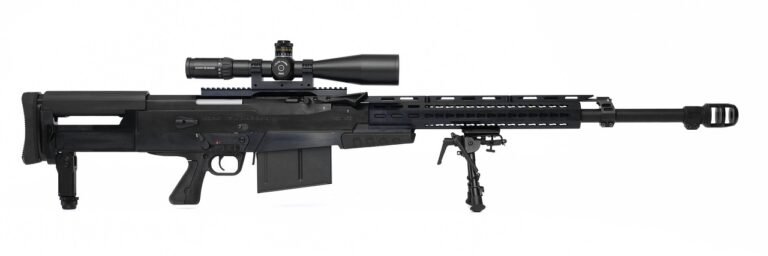
You work a handle by hand to cycle each round. Bolt actions are simple, strong and known for accuracy. They are a top choice for hunting and precision shooting.
Lever-Action
You work a lever under the stock to load the next round. These rifles are quick to handle and popular for hunting in brush and woods. Many are chambered in traditional cartridges like .30-30 Winchester.
Semi-Automatic
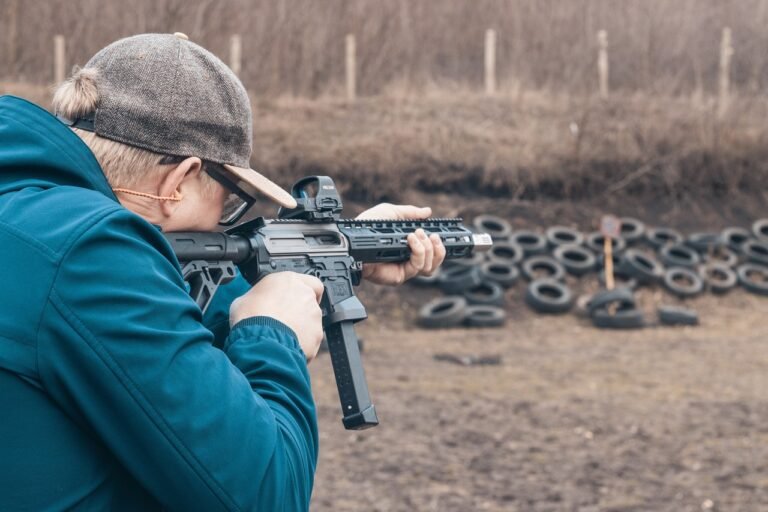
Each trigger pull fires one round, and the rifle reloads itself using gas or recoil energy. The AR-15 pattern is the best-known example. Semi-autos suit target shooting, hunting and defense. If you want a shorter, handier version, see our plain-English guide to what a carbine rifle is.
Single-Shot and Others
Single-shot rifles, such as break-actions and falling blocks, hold one round at a time. They are simple and often very accurate. Pump-action centerfire rifles also exist but are less common.
Common Centerfire Rifle Calibers
The range of centerfire rifle calibers is huge. Here is a quick reference to some of the most widely used ones. Exact performance depends on the bullet weight and load you pick.
| Cartridge | Typical Use | Notes |
|---|---|---|
| .223 Remington / 5.56 NATO | Target shooting, varmints, AR-15 rifles | Mild recoil and widely available. The two are similar but not identical, so check your rifle’s markings. |
| .243 Winchester | Deer-size game, varmints | Popular with newer hunters because of moderate recoil. |
| .30-30 Winchester | Deer in woods and brush | A classic lever-action cartridge. |
| 6.5 Creedmoor | Target, long-range, hunting | Known for good accuracy and manageable recoil. |
| .308 Winchester | All-around hunting and target | A versatile, common choice. |
| .30-06 Springfield | Big game hunting | A long-serving cartridge with many bullet options. |
| .300 Winchester Magnum | Long-range big game | More power and more recoil. |
Pro tip: Buy ammunition that exactly matches the caliber stamped on your rifle, and never rely on a “close enough” cartridge.
What Are Centerfire Rifles Used For?
Because the calibers cover so much ground, centerfire rifles fit many jobs.
- Hunting: From varmints and coyotes to deer, elk and bear, there is a centerfire cartridge for most game. Always check your local rules for legal calibers and minimum energy or bullet requirements.
- Target shooting and competition: Precision rifles shine at long-range matches and at the bench.
- Home and property defense: Some owners choose a centerfire rifle for this purpose, though shot placement and overpenetration need careful thought.
- Law enforcement and military: Many service rifles are centerfire.
Rimfire rifles remain a fine choice for practice. Many shooters keep both: a rimfire for inexpensive training and a centerfire for serious work.
Choosing and Setting Up Your First Centerfire Rifle
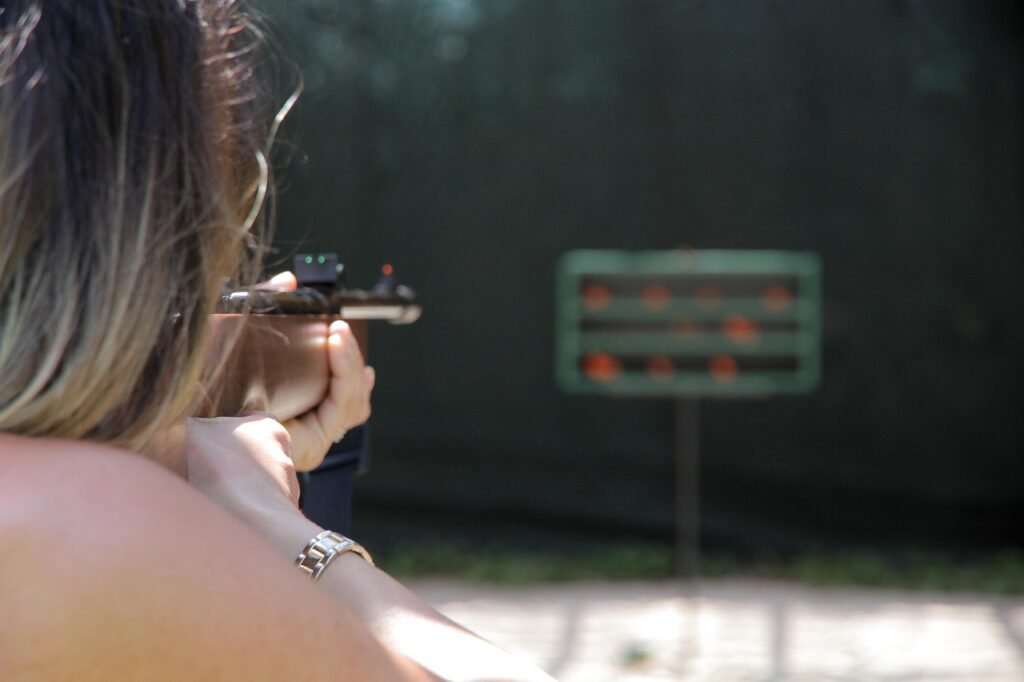
Start with your main purpose. A rifle for deer hunting looks different from one for plinking at 100 yards. Then consider these points.
- Recoil: Heavier recoil makes accurate shooting harder. A moderate caliber you shoot well beats a powerful one you flinch from.
- Ammo availability and cost: Common calibers are easier to find and usually cheaper.
- Weight and length: Long, heavy rifles are steadier but tiring to carry in the field.
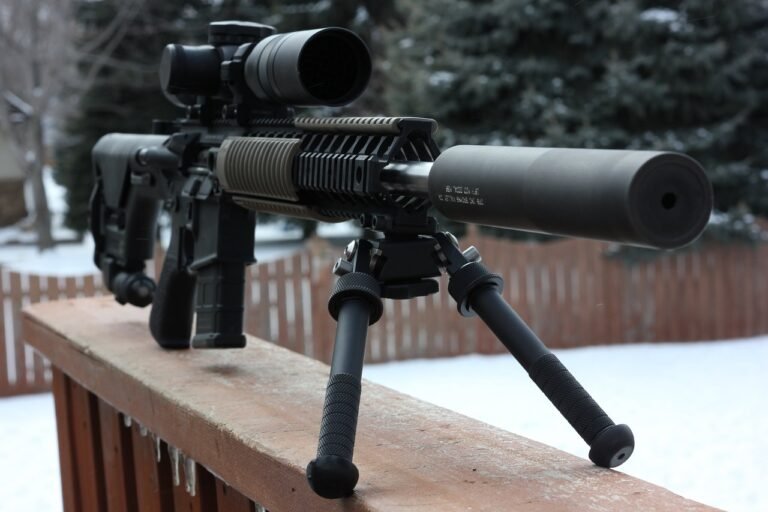
- Optics: Most centerfire rifles benefit from a good scope. Once mounted, learn how to sight in a rifle so your aim matches your point of impact.
- Hearing and eye protection: Centerfire rifles are loud, so wear quality ear and eye protection every time.
Handle a few rifles before buying if you can. Make sure the stock length feels right and the controls are easy to reach.
Centerfire Rifle Safety and Legal Basics
Centerfire rifles are powerful, and bullets can travel a long way. Follow the core safety rules every time:
- Treat every rifle as if it is loaded.
- Keep the muzzle pointed in a safe direction.
- Keep your finger off the trigger until your sights are on target and you are ready to shoot.
- Know your target, what is beyond it and what is around it.
- Unload the rifle and verify the chamber is empty before cleaning or storing it.
Store rifles unloaded and locked, with ammunition kept separately, especially if children live in or visit your home. Clean the bore, chamber and moving parts regularly to prevent corrosion. For anything beyond basic cleaning, see a qualified gunsmith.
Laws on buying, transporting and hunting with rifles differ by state and country, and they change. Check with official sources such as the ATF, your state wildlife or law enforcement agency, or a qualified attorney before you buy or travel.
Frequently Asked Questions
What makes a rifle centerfire?
A rifle is centerfire when it is chambered for cartridges with the primer in the center of the case base. The firing pin strikes that central primer to ignite the powder. The design is about the ammunition, not the rifle’s looks.
Is a.22 rifle centerfire?
Most .22 rifles, especially those in .22 Long Rifle, are rimfire. There are centerfire .22-caliber rifles too, such as the .223 Remington and .22-250 Remington. Always read the markings on the barrel to be sure.
Is a centerfire rifle more accurate than a rimfire?
Generally, centerfire rifles hold accuracy at longer distances because their faster, heavier bullets resist wind and drop better. Quality rimfire rifles can still be very accurate at short range. Ammunition quality and shooter skill matter as much as the rifle type.
Can you reload centerfire ammunition?
Yes, most centerfire cases can be reloaded because the primer is replaceable. You need proper equipment, published load data and careful technique. Rimfire cases cannot be reloaded.
Conclusion
A centerfire rifle fires cartridges with a replaceable primer in the middle of the case base. That design gives it higher pressures, more power and reloadable ammo. It explains why this type covers everything from varmint control to big game hunting and long-range competition.
Pick your purpose first, then choose a caliber and action you can shoot comfortably. Practice good fundamentals, such as how to hold a rifle correctly, and follow the safety rules every time. Check your local laws before you buy.
With the basics in hand, you can pick a centerfire rifle with confidence.