What Is a PCP Air Rifle? How It Works and Who It Suits
A PCP air rifle is an airgun powered by compressed air stored in a built-in cylinder or bottle. PCP stands for Pre-Charged Pneumatic, which means you fill the air reservoir before you shoot instead of pumping or cocking a spring for every shot.
That design gives you multiple shots per fill, steady power and very little recoil. It is why PCPs are popular with small-game hunters, target shooters and anyone who wants airgun accuracy that rivals many firearms.
The trade-off is extra gear and a higher price. You need a way to fill the rifle with high-pressure air, and that equipment can cost as much as the rifle itself.
This guide explains how PCPs work, how they differ from other airguns, and what to know before you buy. Keep reading to see whether one fits the way you shoot.
Key Takeaways
- A PCP air rifle stores compressed air in an onboard reservoir and uses a small burst of it for each shot.
- Compared with spring-piston and CO2 rifles, PCPs offer more consistent power, lighter recoil and more shots between refills.
- You need a fill source, such as a hand pump, a dive or carbon-fibre tank, or a compressor.
- Regulated PCPs hold power steadier across a fill, but they usually cost more and add complexity.
- Treat a PCP like a firearm for safety, never exceed the rated fill pressure, and check your local airgun laws before buying.
What Is a PCP Air Rifle?
A PCP air rifle is a modern airgun that stores highly compressed air in a built-in cylinder or bottle. You charge that reservoir from an outside air source, then fire many shots before it needs topping up.
Some rifles have a fixed internal reservoir. Others use a detachable bottle that you can unscrew and refill or swap. Either way, the energy for each shot is already stored when you pull the trigger.
Where PCP Rifles Came From
Compressed-air guns are old technology. One source notes that PCP production stopped after World War I and the style was revived in .177 and .22 caliber around 1980. Modern materials and valve design are what made them practical for everyday shooters.
Common Calibers
Most PCP rifles are .177, .22 or .25 caliber, and larger bores exist for big-bore hunting airguns. Smaller calibers suit target work and pests. Larger ones deliver more energy for hunting bigger small game where it is legal.
How a PCP Air Rifle Works
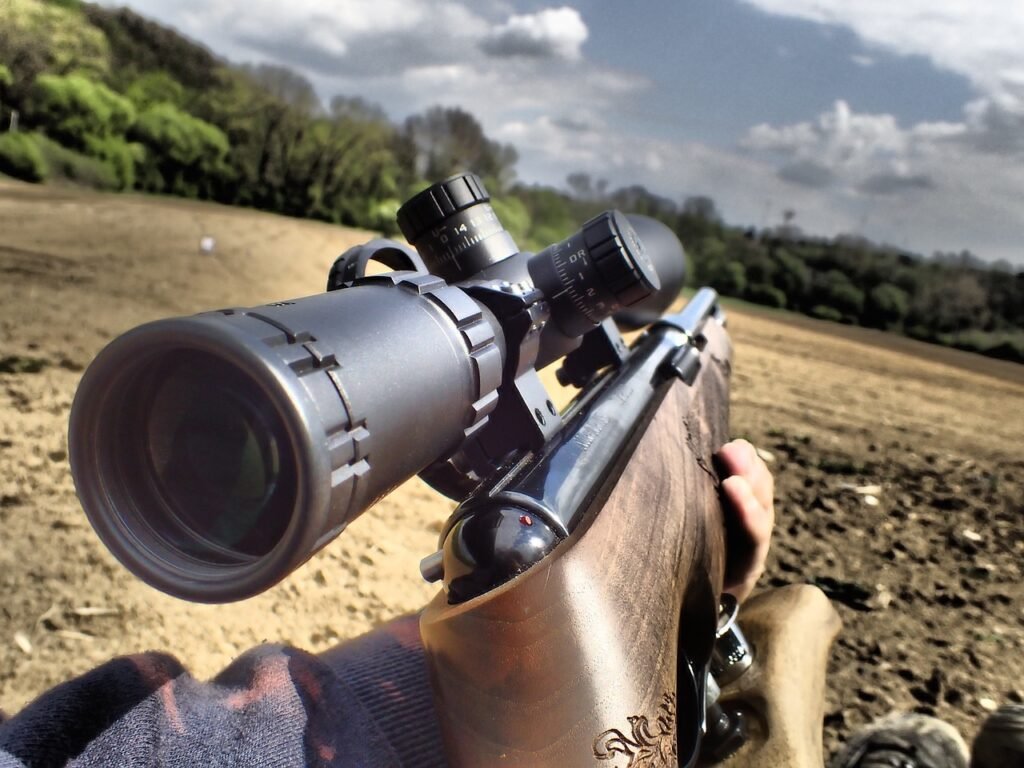
The idea is simple. A hammer strikes a valve that releases some air to thrust the pellet out of the barrel. The valve closes again, and the rest of the air stays in the reservoir for the next shot.
The Main Parts
- Air reservoir: stores the compressed air.
- Valve system: releases air with each shot.
- Pressure gauge: shows how much air remains.
- Magazine and bolt or side lever: loads the next pellet. There is no cocking effort between shots beyond working the action.
Fill pressures vary by model. Many PCPs use air stored at roughly 2,000 to 3,000 psi, and some go higher. Always follow the maximum pressure printed on your rifle or in its manual.
Regulated vs Unregulated PCPs
In a simple unregulated rifle, velocity can change as the reservoir pressure drops. Many makers add an air regulator to fix that. In a regulated PCP, power output stays consistent through the whole air charge.
Unregulated rifles are still around and still shoot well. They tend to be simpler and cheaper, but you may need to learn where the rifle performs best on its fill curve. Regulated rifles cost more, but they are easier to shoot precisely at longer range.
PCP vs Spring-Piston vs CO2 Air Rifles
The biggest differences come down to power source, recoil and how often you need to refill. Spring rifles use a coiled spring, CO2 rifles use carbon dioxide cartridges, and PCPs store pressurised air for repeated shots.
| Feature | PCP | Spring-Piston | CO2 |
|---|---|---|---|
| Power source | Compressed air in a reservoir | Coiled spring you cock | CO2 cartridge or cylinder |
| Recoil | Very low | Noticeable, can be harsh | Low |
| Shot consistency | Very high, especially regulated | Good once you master your hold | Can change with temperature |
| Extra equipment | Pump, tank or compressor | None | CO2 supply |
| Typical cost | Higher, plus fill gear | Lower | Low to moderate |
| Best for | Precision, hunting, competition | Plinking, simple backyard use | Casual target shooting |
If you want to compare airguns with powder-burning small-bore guns, our guide to the rimfire rifle covers that category.
Pros and Cons of a PCP Air Rifle
Advantages
- Many shots per fill. PCPs can deliver from 20 to over 100 shots per fill, depending on reservoir size, caliber and power.
- Accuracy. The smooth, repeatable air release is easy on your aim. You do not have to manage a spring’s twang as you shoot.
- Low recoil. That helps new shooters and makes it simpler to shoot well from a rest.
- Quieter shots. Many PCPs are quieter than spring guns, and some accept moderators where the law allows.
- Multi-shot magazines. You can follow up quickly without re-cocking.
Drawbacks
- Extra gear. You need a fill source, and that adds cost.
- Higher upfront price. PCPs usually cost more than spring or CO2 rifles of similar quality.
- More maintenance. Seals, gauges and fill fittings need care, and air should be clean and dry.
- Not self-contained. If you run out of air in the field and have no pump, your day is over.
Pro tip: Price the rifle and the fill system together before you commit, because the true cost of a PCP is the whole package.
What You Need to Fill and Run a PCP Air Rifle
When the reservoir is empty, you can fill it from a prefilled SCUBA or carbon fibre air tank, a high-pressure hand pump, or a high-pressure compressor. Each option suits a different budget and routine.
- Hand pump: the lowest cost and fully portable. It takes real effort, especially on larger reservoirs.
- Air tank: fast and easy. You need a place to get it refilled or your own compressor.
- Compressor: convenient if you shoot often. It is the priciest choice, and it needs proper filtering and maintenance.
Basic PCP Safety
High-pressure air stores real energy, so respect it. A PCP is not a toy, and the usual firearm safety rules apply.
- Treat every airgun as loaded, even if you think the reservoir is empty.
- Keep the muzzle pointed in a safe direction at all times.
- Keep your finger off the trigger until your sights are on the target.
- Be sure of your target and what is behind it. Pellets can pass through or ricochet.
- Never fill beyond the maximum pressure the maker lists, and only use fittings and gauges designed for high-pressure air.
- Make sure tanks are in test date, and have damaged equipment checked by a qualified technician.
Beyond basic care, leave internal work, valve changes and regulator adjustments to a qualified gunsmith or airgun technician.
Is a PCP Air Rifle Right for You?
A PCP suits you if you want accuracy, low recoil and repeat shots, and you are happy to buy a fill system. Hunters use them on small game and pests where allowed. Target shooters like them for backyard ranges and competition.
A spring-piston rifle may be better if you want something simple, cheap and ready to go. Occasional shooters often prefer that no-gear approach.
Good fundamentals still matter. Learn a steady position with our guide on how to hold a rifle correctly. Then get your optic dialled in using the steps in how to sight in a rifle scope. Both skills carry over to airguns.
Check Your Local Rules
Airgun laws vary widely by country, state and even city. Some places regulate higher-powered or big-bore airguns, set age limits, or restrict where you can shoot and hunt. Confirm the rules where you live with your state wildlife or law-enforcement agency, local authorities or a qualified attorney. Hunting regulations on airguns can differ from those on firearms.
Frequently Asked Questions
What does PCP stand for in air rifles?
PCP stands for pre-charged pneumatic. It means the compressed air is put into the rifle before you shoot, rather than being pumped or created during the shot cycle.
How many shots do you get from a PCP air rifle?
It depends on the reservoir size, caliber and power setting. Common figures range from about 20 to over 100 shots per fill. Your rifle’s manual is the best guide for your model.
Are PCP air rifles good for beginners?
They can be. The low recoil and consistent power make them easy to shoot accurately. The extra cost and the need to learn safe filling are the main hurdles, so beginners should read the manual closely.
Do PCP air rifles need a regulator?
No, but a regulator helps. It keeps velocity steadier across the whole fill, which improves consistency at longer range. Unregulated rifles still work well and usually cost less.
Conclusion
A PCP air rifle uses pre-charged compressed air to deliver accurate, low-recoil shooting with many shots per fill. Compared with spring and CO2 guns, you get better consistency. You pay for it with a higher price and the need for a fill system.
Before you buy, weigh the full cost, decide between regulated and unregulated, and check the airgun laws that apply where you live. Follow the usual safety rules and never exceed the rated fill pressure.
Get those basics right and a PCP can be one of the most rewarding airguns you will shoot.